7 Best AI Image Generators for Realistic Art in 2026
🌍 Introduction
By 2026, AI image generation has evolved from a novelty into a foundational creative engine.
Almost every major AI model can now generate cinematic lighting, detailed portraits, and high-resolution artwork within seconds. But realism is still the biggest challenge. Many AI-generated images remain overly smooth, emotionally flat, or the "uncanny valley" effect that lingers in synthetic media
Today, the best AI image generator isn't just about speed or initial aesthetics. The true standout is the platform that empowers creators to refine and transform raw AI outputs into stunningly believable visuals.
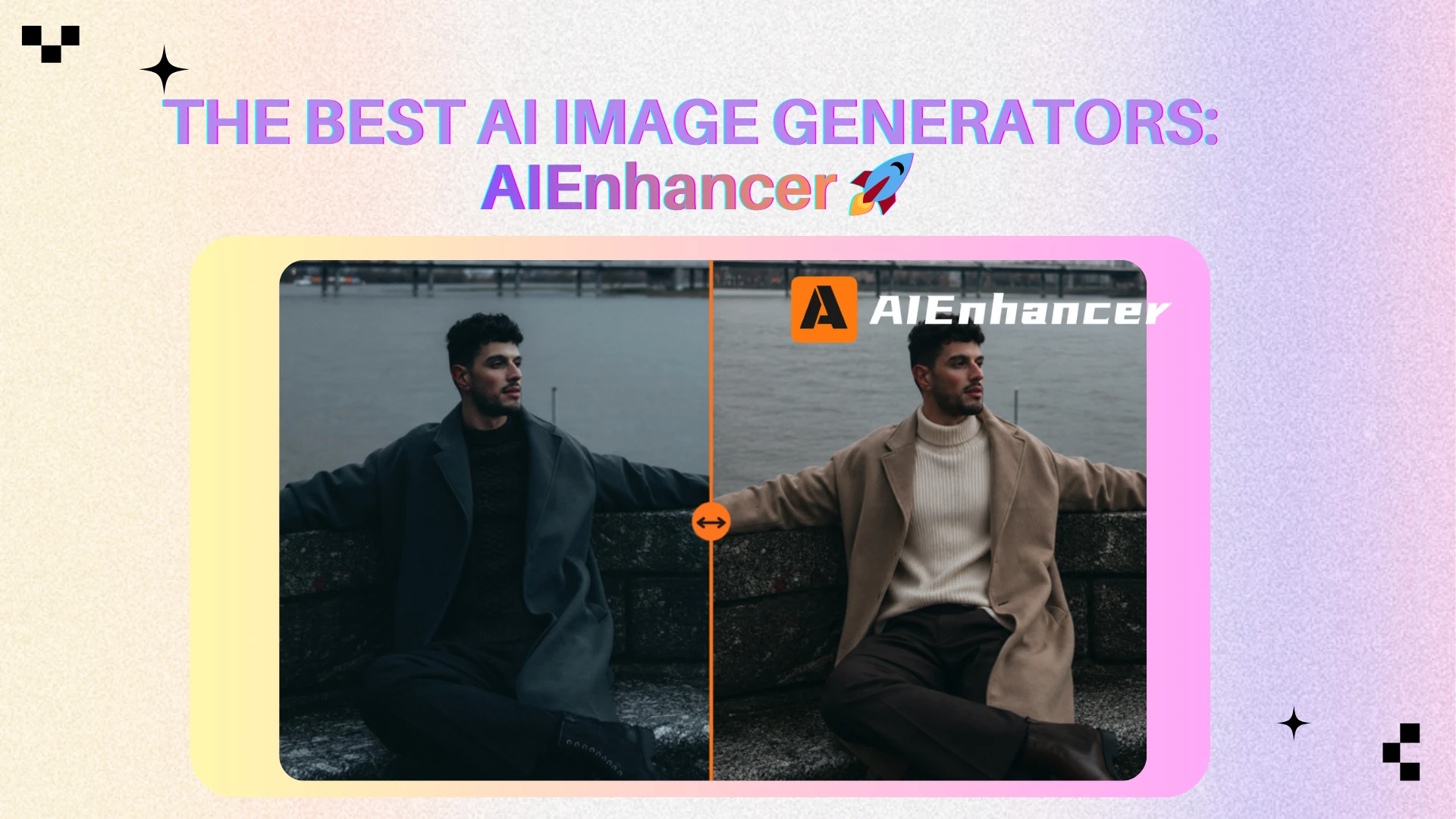
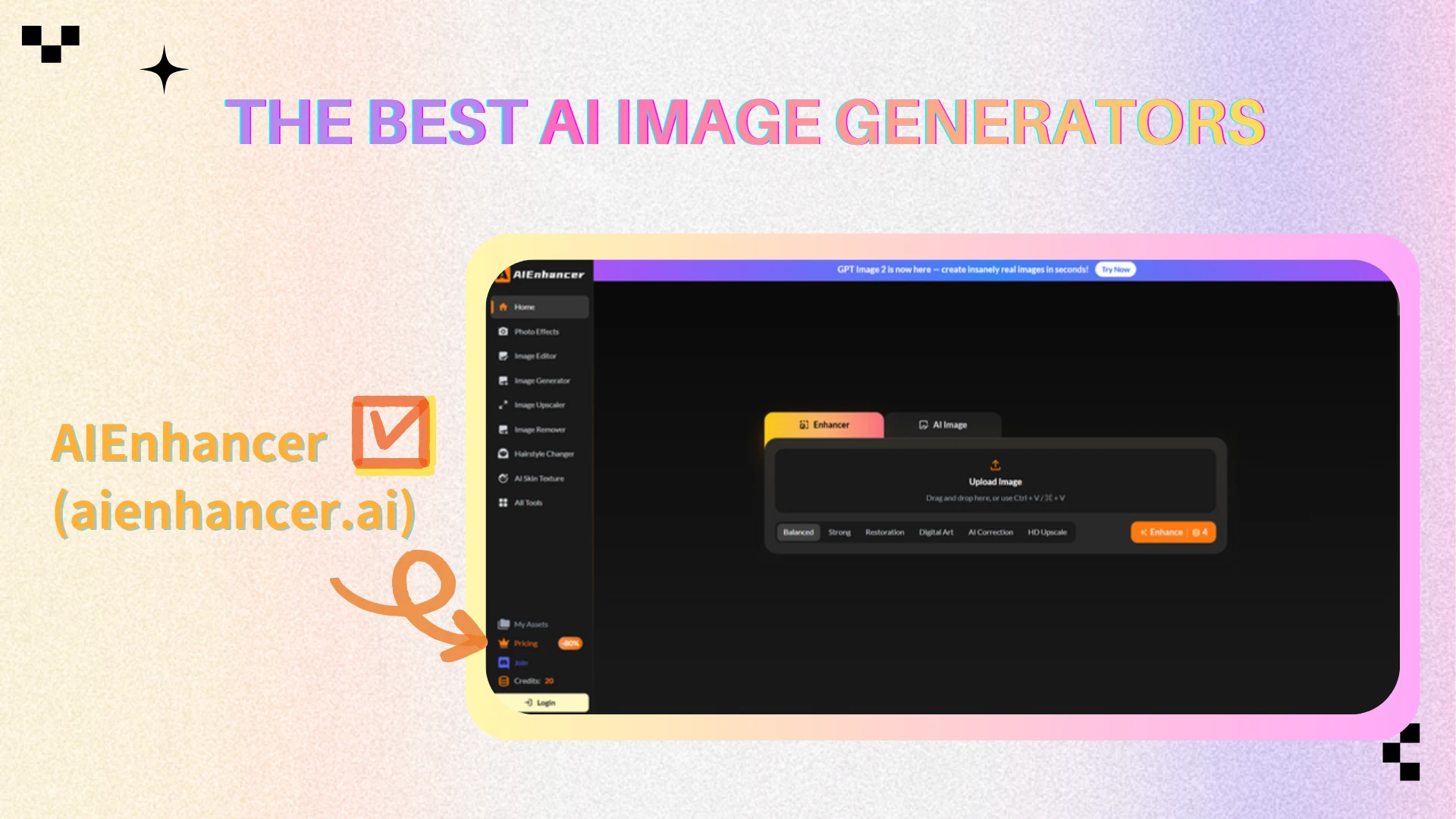
This is precisely the gap AIEnhancer aims to fill. Unlike traditional generators limited to text-to-image creation, AIEnhancer combines AI generation, realism enhancement, editing, upscaling, and workflow refinement into a single platform. Instead of endlessly regenerating prompts, creators can fine-tune lighting depth, restore facial texture, cinematic realism, and image quality directly inside the workflow.
In this guide, we’ll explore the best AI image generators for realistic art in 2026, compare their strengths, and explain why AIEnhancer has become one of the strongest all-in-one creative platforms in the modern AI workflow ecosystem.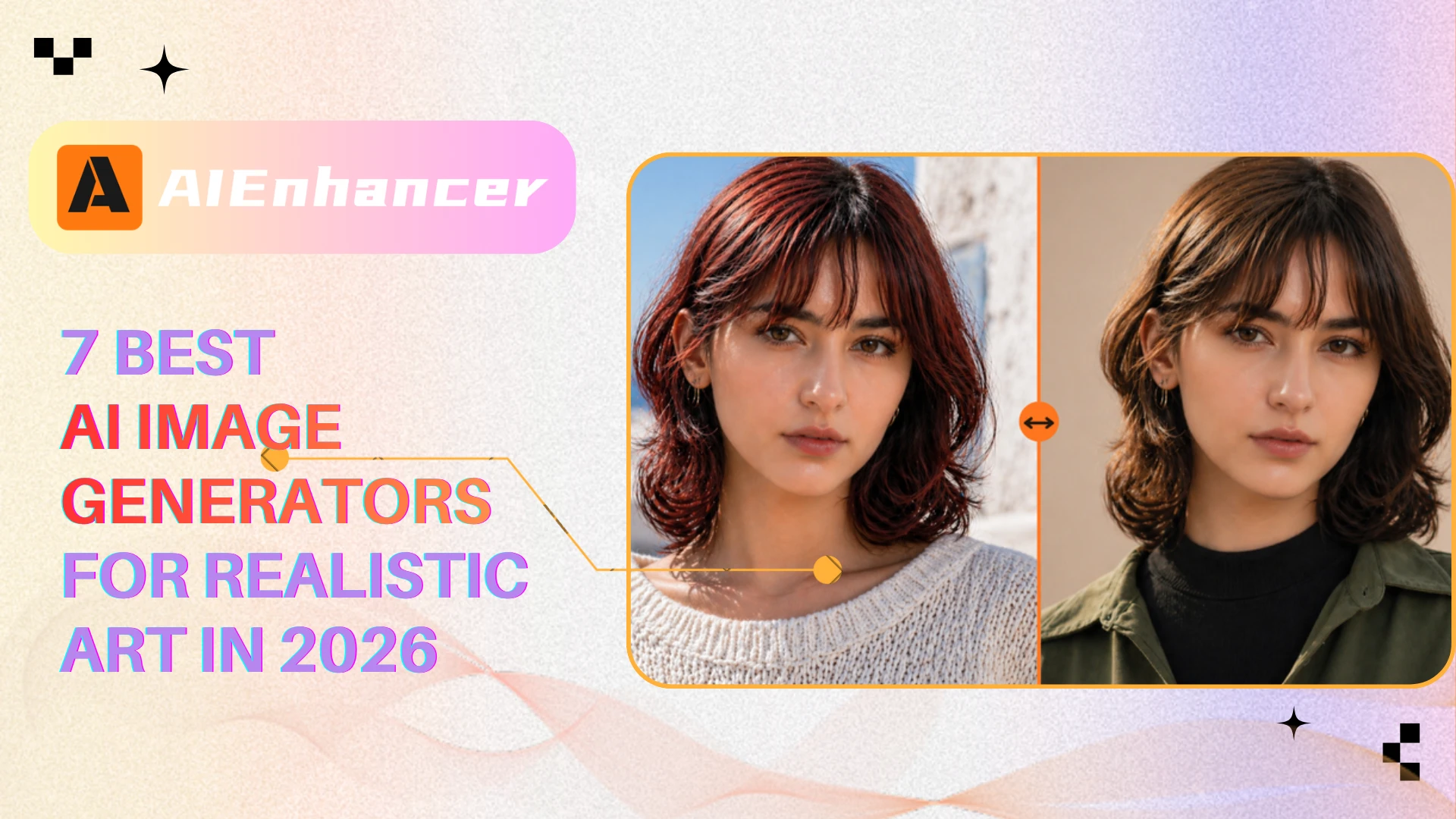
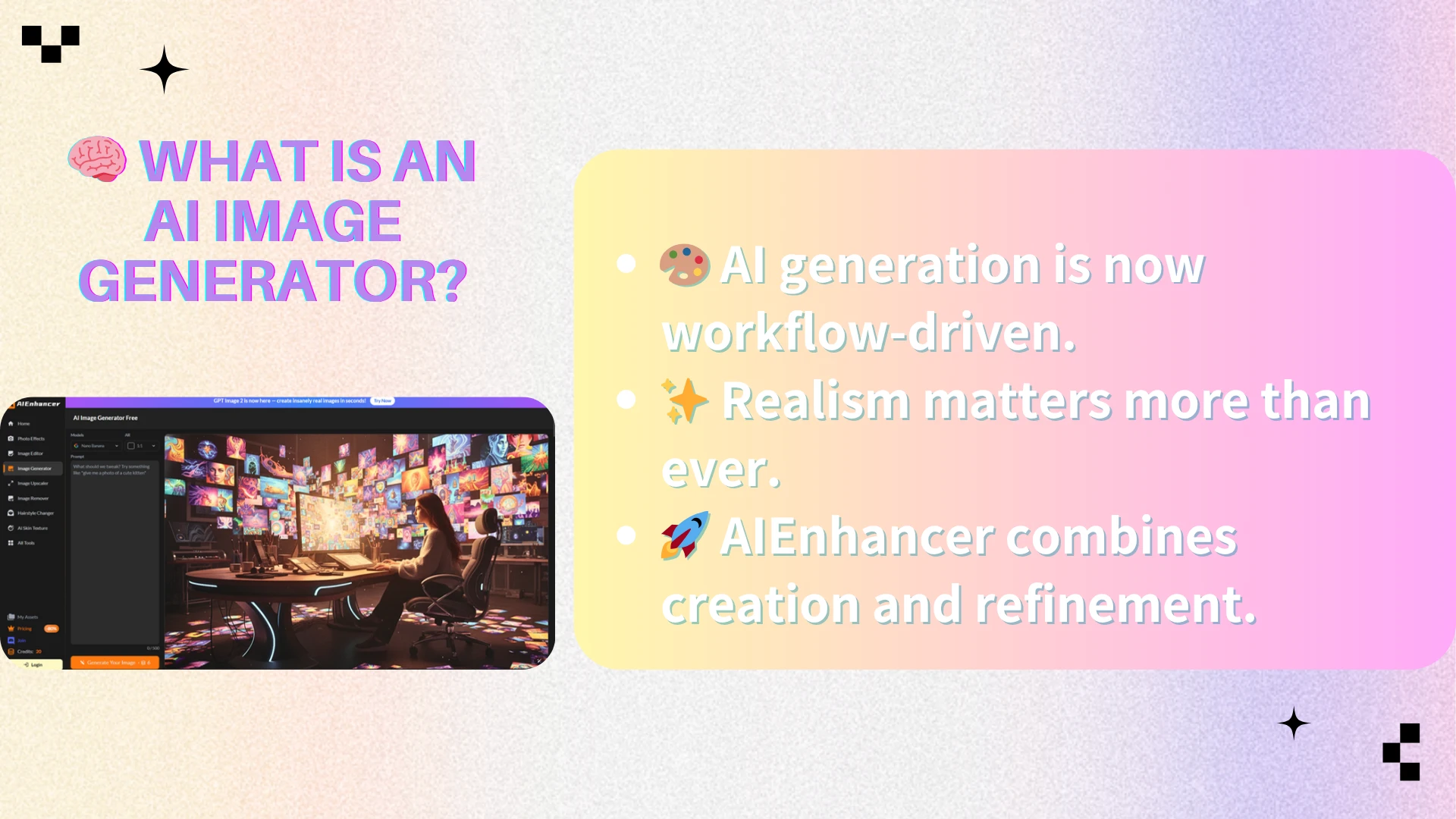
🧠 What Is an AI Image Generator?
Modern AI image generators have evolved beyond simple text-to-image prompt boxes into comprehensive creative ecosystems. Creators use them for realistic portraits, advertising visuals, social content, concept art, and cinematic storytelling workflows.
As image quality improved, expectations changed as well. Modern AI tools are now judged less by whether they can generate beautiful images and more by whether those images remain believable throughout real creative workflows.
This is also why AI enhancement tools have become increasingly important. Instead of endlessly regenerating prompts, creators now refine existing outputs through realism correction, lighting enhancement, and texture refinement.
That’s where platforms like AIEnhancer stand out by combining AI generation, enhancement, editing, and realism refinement into a single workflow.
🔍 How to Tell If an AI Image Generator Is Actually Good
While most AI image generators can dazzle you in the first five minutes, their true value is proven during extended, real-world workflows.
A strong AI image generator is not simply able to create one beautiful image. It needs to remain reliable across multiple creative situations: different prompts, editing requests, character consistency, lighting conditions, and workflow iterations.
Realism is one of the biggest separators in 2026.
Many tools can generate cinematic lighting. Far fewer can preserve natural skin texture without making faces look plastic. Some models produce stunning compositions but fail when handling hands, typography, reflective surfaces, or complex environments.
Text rendering has become another major benchmark. Earlier AI systems struggled heavily with typography, packaging, menus, posters, and UI elements. Newer models like ChatGPT Image and Nano Banana Pro have improved significantly here.
Workflow flexibility also matters far more than it did a few years ago.
Today’s creators rarely generate a single image and stop there. Most workflows involve:
refining outputs
adjusting composition
enhancing realism
editing backgrounds
upscaling
generating variations
preparing content for publishing
This is why the industry is slowly shifting away from isolated “AI image generators” toward larger creative ecosystems.
That distinction becomes extremely important when comparing platforms in real-world usage.
⚡ Why AI Workflows Matter More in 2026
In 2023, generating an impressive AI image was the goal.
In 2026, generation is only the beginning.
Modern creators spend far more time refining outputs than writing prompts. Realistic AI workflows now involve enhancement, editing, realism correction, upscaling, and multi-platform adaptation before an image is ready for publishing.
This is why workflow integration has become one of the biggest competitive advantages in AI image generation platforms.
That shift is visible across the industry. Creators are no longer asking:
“Can this AI generate a beautiful image?”
Instead, they ask:
“Can this tool fit naturally into my creative workflow?”
This is also why enhancement-focused ecosystems like AIEnhancer are becoming more important. As AI-generated visuals become more common online, realism refinement — not generation itself — is increasingly becoming the real bottleneck.
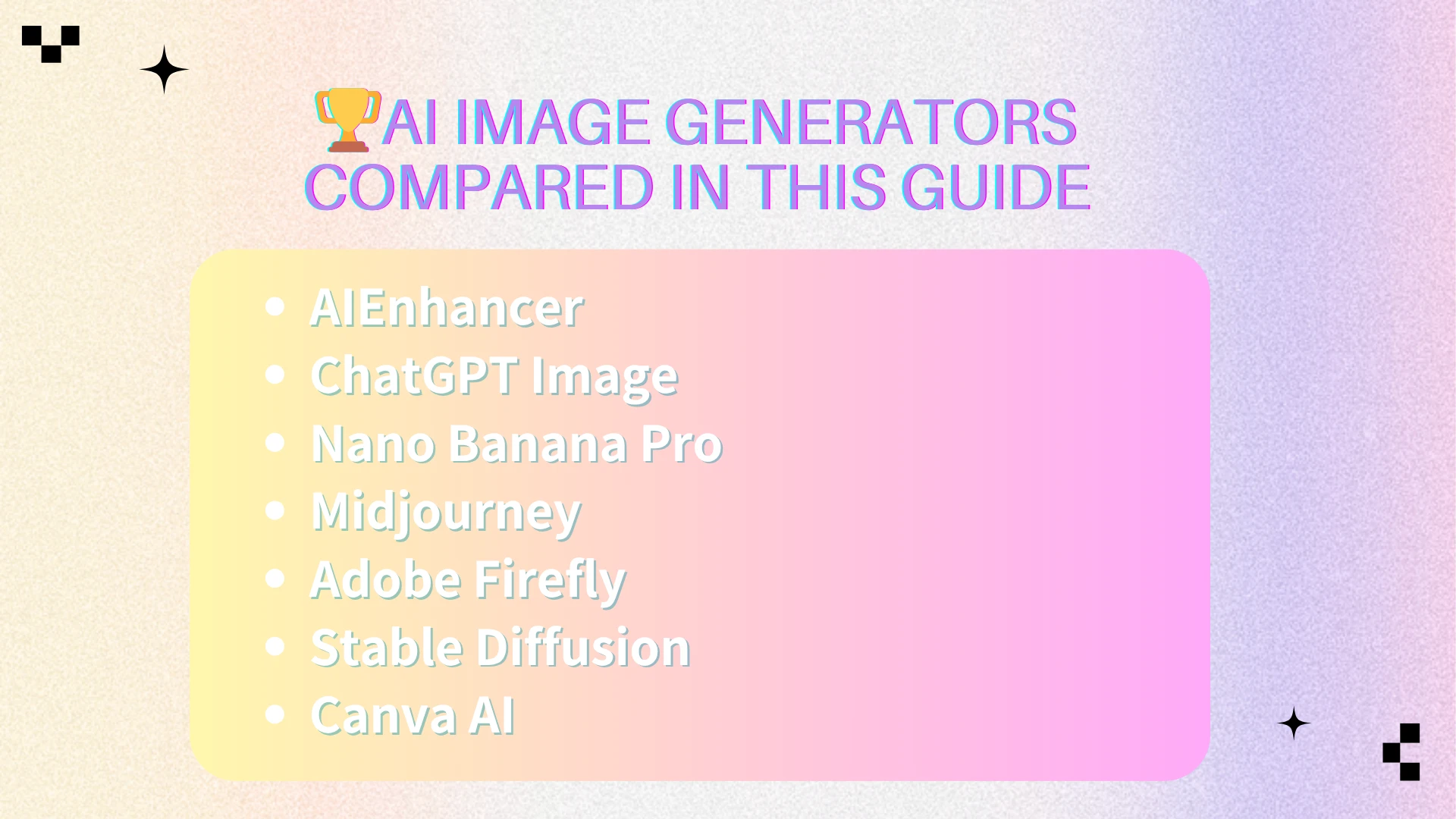
🏆AI Image Generators Compared in This Guide
In this guide, we’ll compare:
AIEnhancer
ChatGPT Image
Nano Banana Pro
Midjourney
Adobe Firefly
Stable Diffusion
Canva AI
We’ll evaluate how these platforms perform across realistic portrait generation, social media content, typography, editing workflows, concept art, and overall production efficiency.
| Tool | Best For | Key Strength |
|---|---|---|
| AIEnhancer | All-in-one workflows | Generation + enhancement + realism refinement |
| ChatGPT Image | Overall balance | Prompt understanding + conversational editing |
| Nano Banana Pro | Photorealism | Cinematic realism + scene reconstruction |
| Midjourney | Artistic visuals | Stylized cinematic aesthetics |
| Adobe Firefly | Commercial workflows | Adobe ecosystem + commercial safety |
| Stable Diffusion | Advanced users | Open-source customization |
| Canva AI | Beginners | Simplicity + fast social content |
🎨 Deep Dive: The Best AI Image Generators
🥇 AIEnhancer
Best for
Creators who want realistic AI art, cinematic image quality, enhancement workflows, and all-in-one creative editing.
Pros
Strong realism enhancement workflow
Excellent skin texture and facial refinement
Combines generation, editing, and upscaling
Beginner-friendly interface
Works well for cinematic and social content
Reduces workflow friction between tools
Cons
Less customizable than advanced Stable Diffusion pipelines
Professional node-based users may want deeper manual control
Overall
AIEnhancer distinguishes itself by bridging the crucial gap most platforms overlook: post-generation refinement.
In 2026, generating an image is often the easiest step. The harder challenge is making AI-generated visuals actually feel believable. Many outputs still suffer from overly smooth skin, artificial lighting, and unrealistic texture depth.
Instead of forcing creators to endlessly regenerate prompts, AIEnhancer helps improve existing outputs through realism enhancement, cinematic correction, and visual refinement. This makes the platform especially effective for realistic portraits, fashion content, advertising visuals, and cinematic AI photography.
More importantly, AIEnhancer combines generation, editing, enhancement, and upscaling into a unified workflow. That ecosystem approach feels increasingly aligned with how modern creators actually work.
💬 ChatGPT Image
Best for
Creators who prioritize prompt understanding, conversational editing, and flexible workflows.
Pros
Excellent prompt interpretation
Strong text rendering
Intuitive, dialogue-driven iteration
Highly flexible workflow
Strong realism consistency
Great for advertising and UI visuals
Cons
Less visually stylized than Midjourney
Limited deep customization compared to open-source workflows
Overall
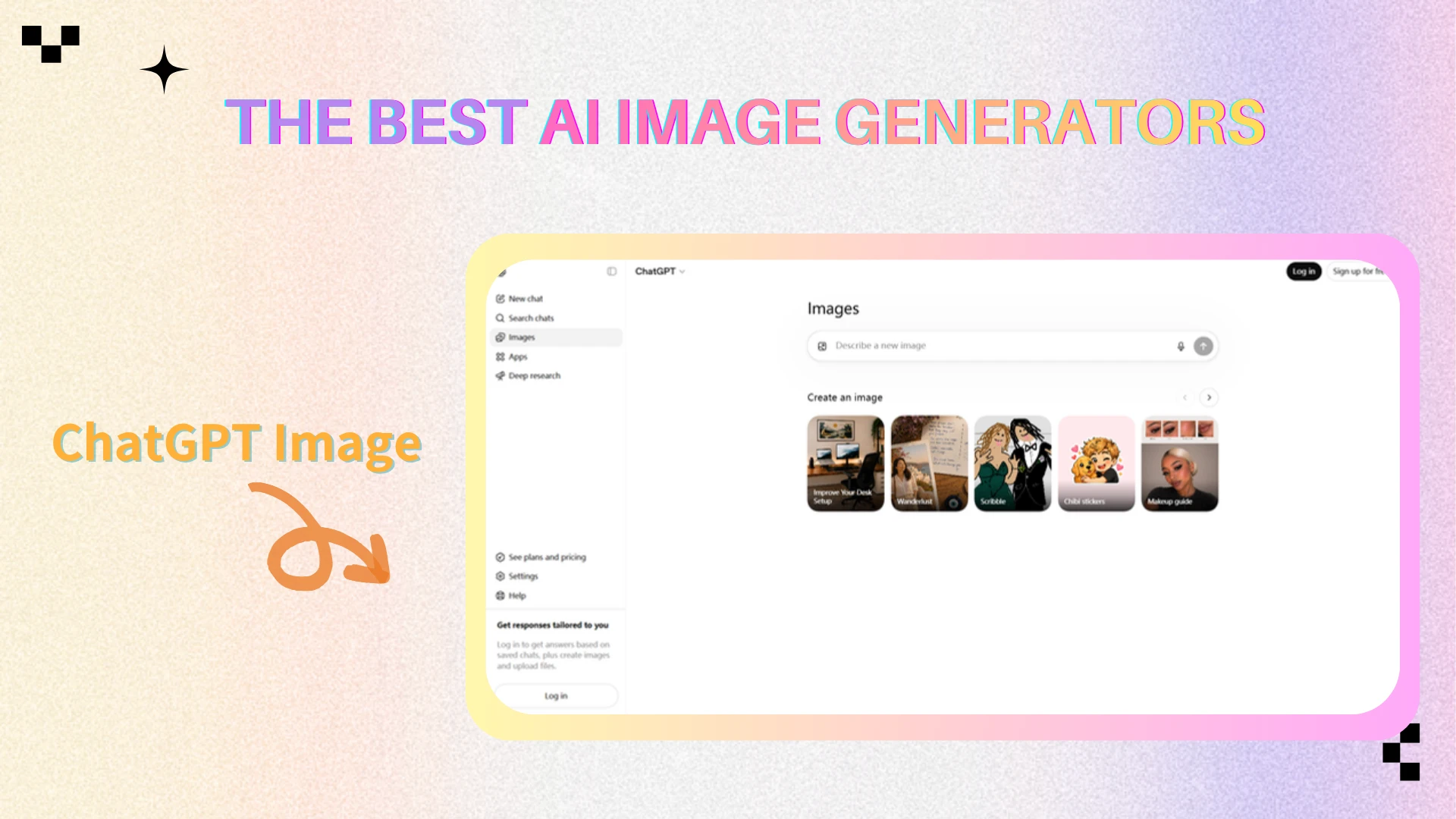
ChatGPT Image currently offers one of the strongest balances between usability and image quality.
Its biggest advantage is not just realism — it’s interaction. Users can iteratively refine images through natural conversation instead of constantly rewriting prompts from scratch. This dramatically changes the creative experience.
For creators working on marketing visuals, social content, product design, or cinematic imagery, that flexibility makes ChatGPT one of the most practical AI image generators available today.
🍌 Nano Banana Pro
Best for
Photorealistic AI art, cinematic portraits, and realistic scene reconstruction.
Pros
Extremely strong photorealism
Cinematic lighting quality
Strong environmental depth
Excellent image transformation workflows
Realistic scene understanding
Cons
Some outputs feel slightly over-polished
Less artistic stylization flexibility
Watermarks may appear in certain workflows
Overall
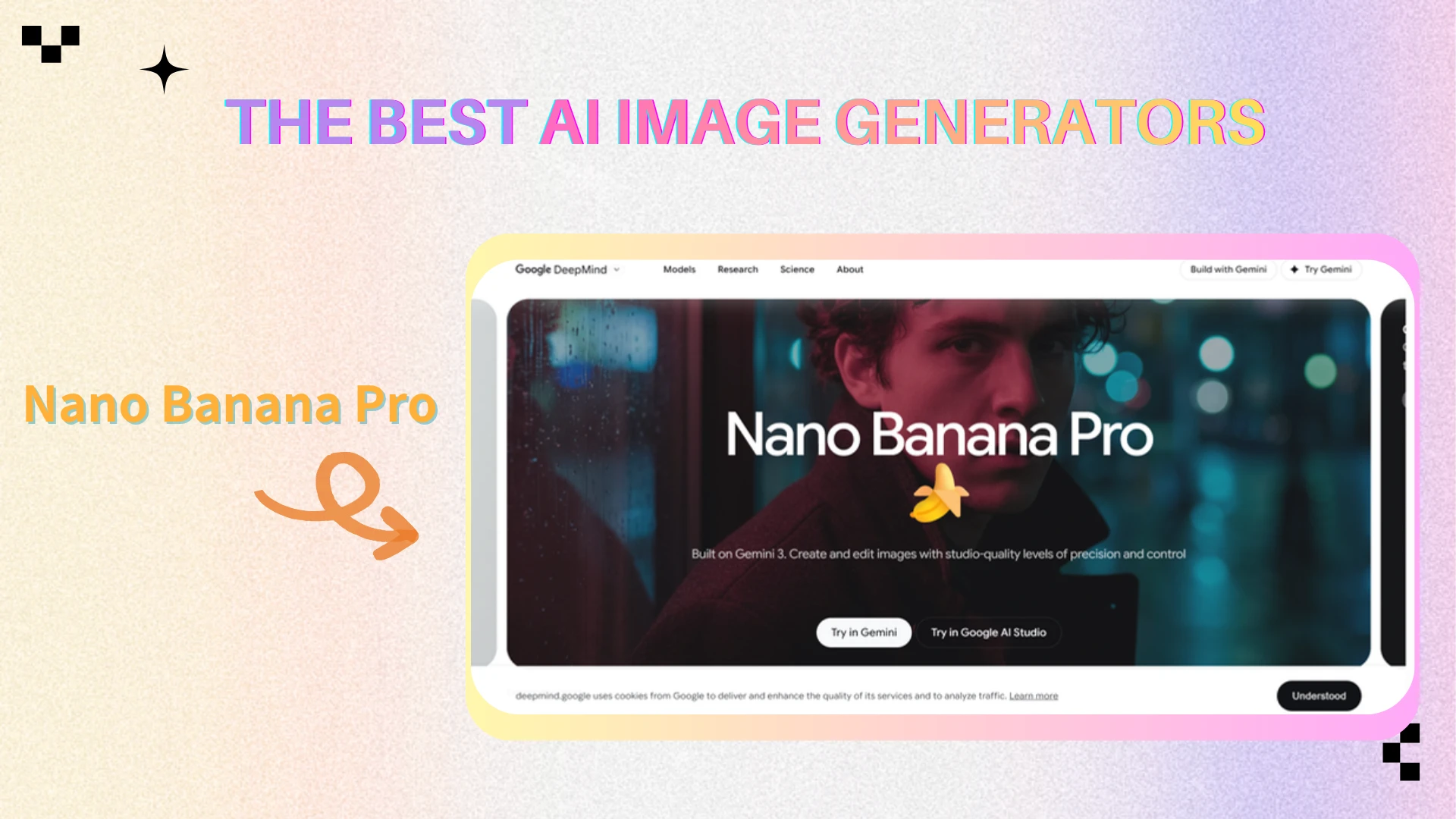
Nano Banana Pro has become one of the most surprising breakthroughs in AI image generation.
Its biggest strength is believable realism. Lighting behavior, environmental depth, and scene reconstruction often feel closer to photography than illustration. The platform also handles contextual edits remarkably well, especially when transforming uploaded reference images into entirely new cinematic scenes.
For creators pursuing realistic advertising visuals or cinematic AI photography, Nano Banana Pro remains one of the strongest pure-generation models currently available.
🎬 Midjourney
Best for
Concept art, fantasy visuals, cinematic aesthetics, and artistic storytelling.
Pros
Beautiful cinematic composition
Strong artistic identity
Excellent mood and atmosphere
Highly stylized visual outputs
Strong color grading aesthetics
Cons
Less predictable prompt control
Faces can drift into stylization
Not ideal for typography-heavy workflows
Overall
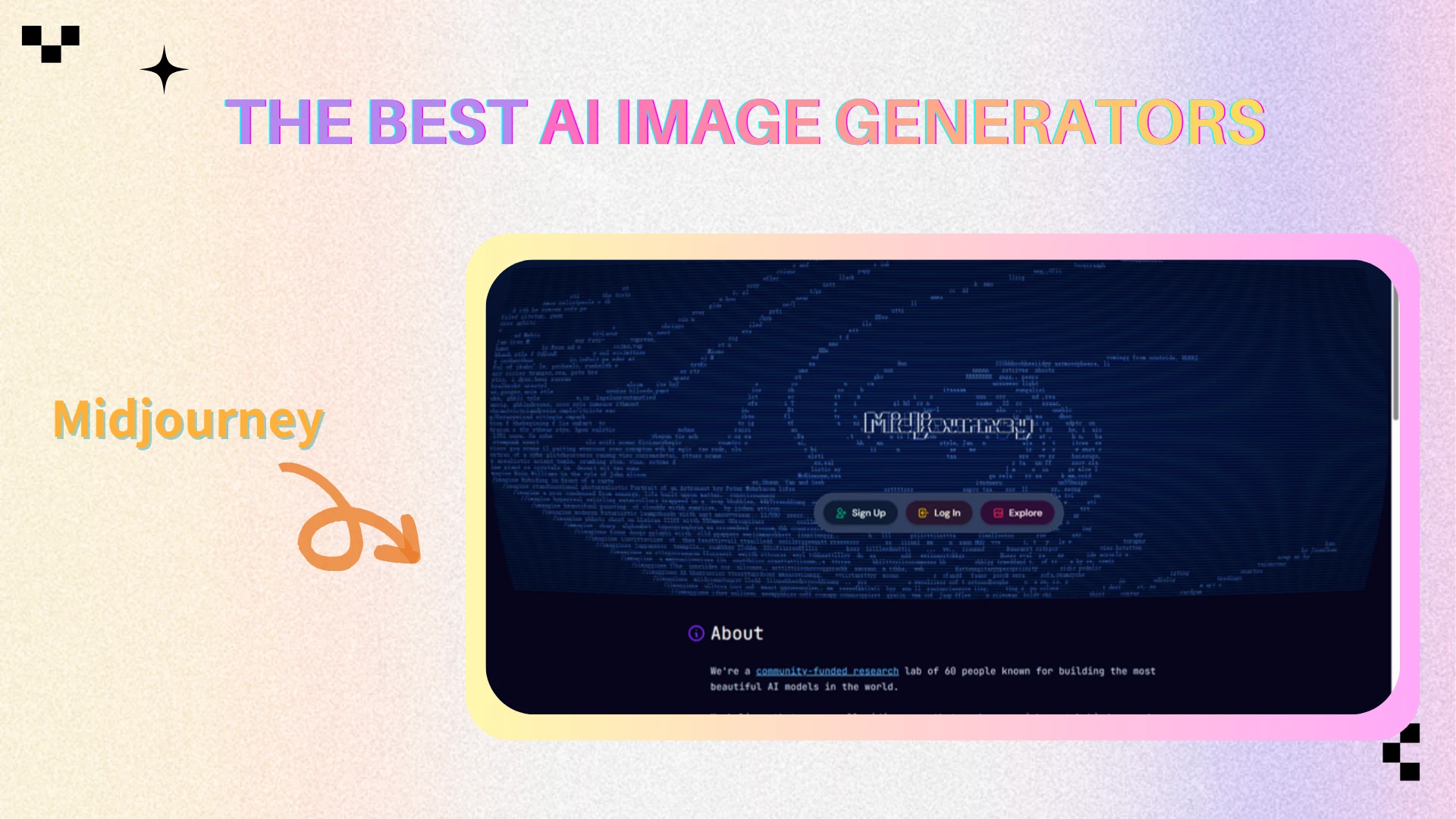
Midjourney remains one of the most visually recognizable AI image generators in the industry.
Even as competitors improve realism, Midjourney continues to dominate atmosphere and artistic direction. Its outputs often feel curated rather than generated, which is why many artists still prefer it for cinematic and editorial work.
Rather than pursuing strict photorealism, Midjourney excels at creating emotionally stylized imagery. That makes it particularly strong for fantasy worlds, poster art, album covers, and cinematic storytelling workflows.
🧩 Adobe Firefly
Best for
Commercial design teams, enterprise workflows, and Adobe ecosystem users.
Pros
Strong Adobe integration
Commercially safer workflows
Reliable design consistency
Excellent for marketing assets
Familiar workflow for designers
Cons
More conservative visual style
Less experimental than Midjourney
Realism can feel slightly “corporate”
Overall
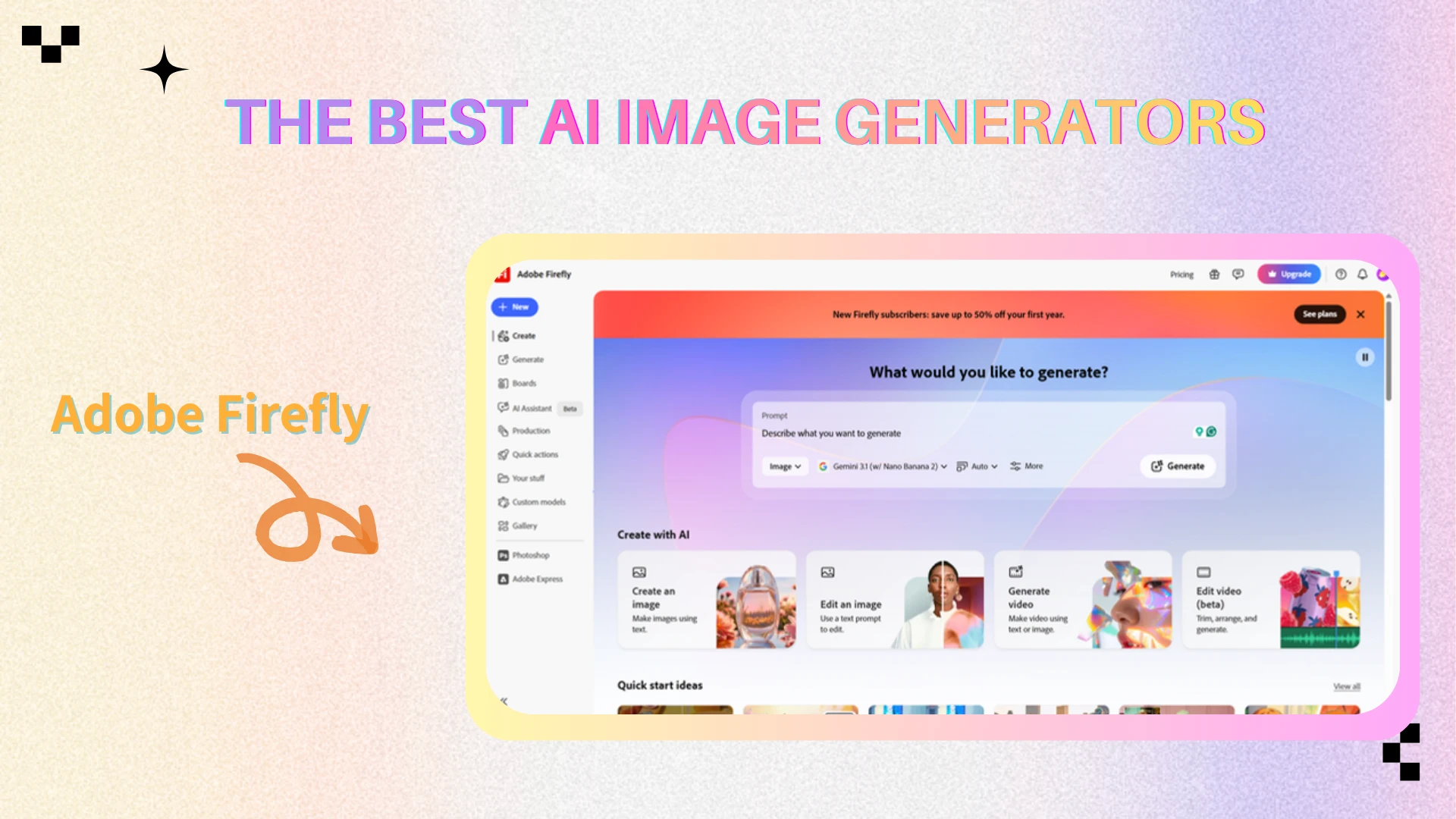
Adobe Firefly is the 'safe bet' for corporate teams. It prioritizes legal peace of mind over wild artistic experimentation.
That makes it particularly appealing for agencies, design studios, and enterprise creative teams already working inside Photoshop and Adobe Express workflows.
While Firefly may not produce the most visually dramatic outputs compared to Midjourney or Nano Banana Pro, it succeeds by prioritizing reliability, integration, and workflow consistency.
🛠 Stable Diffusion
Best for
Advanced creators, developers, and users who want full customization.
Pros
Extremely flexible
Massive open-source ecosystem
Advanced workflow control
Community-trained models
Deep customization potential
Cons
Steep learning curve
Fragmented user experience
Requires technical knowledge
Inconsistent beginner accessibility
Overall
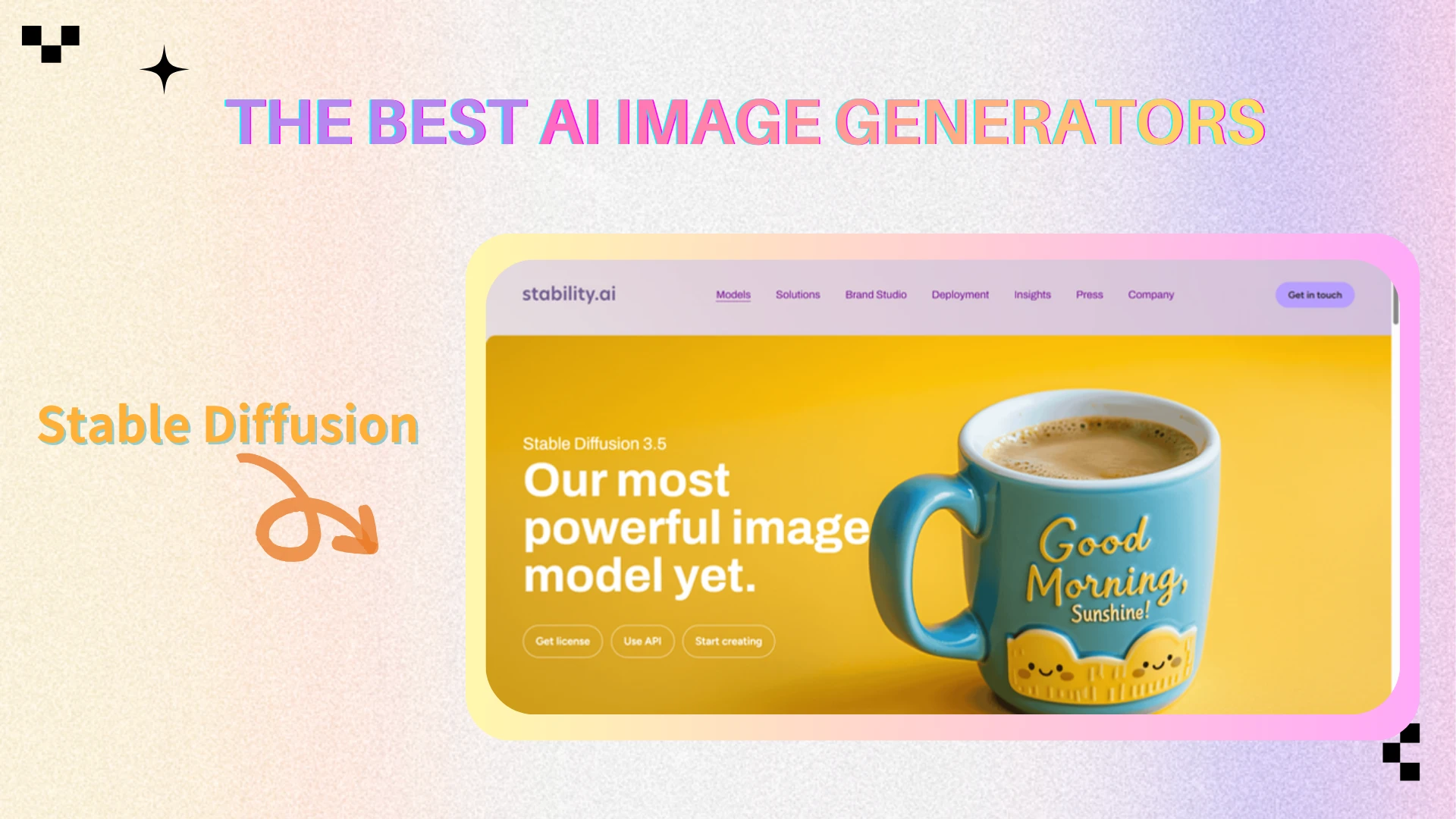
Stable Diffusion remains the most customizable AI image ecosystem available today.
Unlike closed platforms, Stable Diffusion allows users to control nearly every part of the workflow, from models and checkpoints to node pipelines and LoRA systems.
For advanced creators, this flexibility is incredibly powerful.
However, that same flexibility also creates complexity. Stable Diffusion often feels less like a product and more like creative infrastructure. Beginners may find the workflow overwhelming compared to conversational systems like ChatGPT or integrated ecosystems like AIEnhancer.
Still, for users who prioritize deep customization above simplicity, Stable Diffusion remains unmatched.
🎨 Canva AI
Best for
Beginners, social media creators, and lightweight content workflows.
Pros
Extremely easy to use
Fast generation workflow
Great for social content
Integrated design ecosystem
Beginner-friendly interface
Cons
Limited realism depth
Fewer advanced editing controls
Less cinematic quality than high-end models
Overall
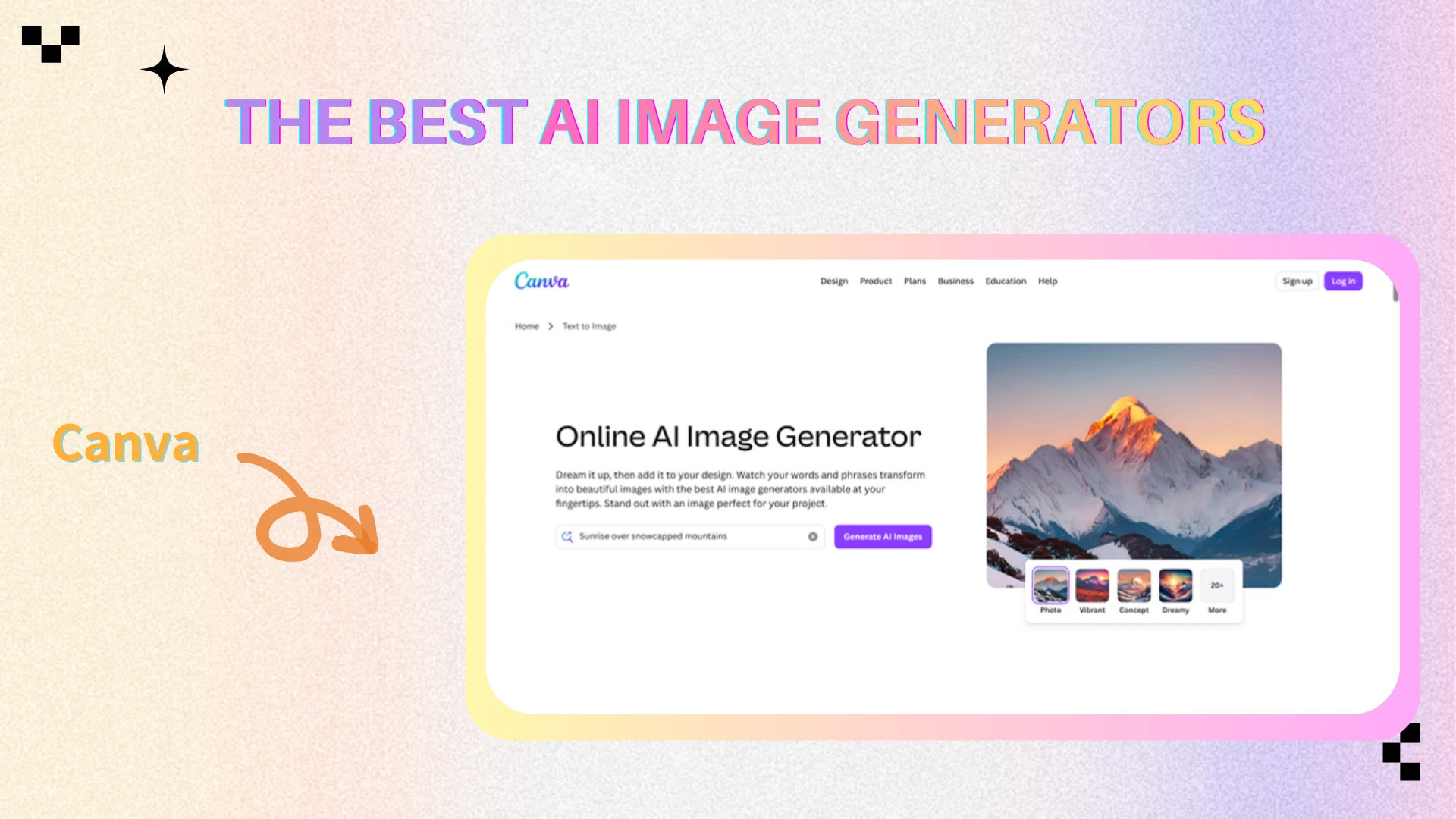
It’s the go-to for social media managers needing high-impact graphics on a tight deadline.
Instead of targeting advanced artists or cinematic realism enthusiasts, Canva focuses on accessibility and speed. That makes it especially useful for creators producing:
social posts
presentations
lightweight branding
quick marketing graphics
While it lacks the realism depth of platforms like AIEnhancer or Nano Banana Pro, Canva remains one of the easiest ways for beginners to start creating AI-generated visuals quickly.
🧪 Real Prompt & Workflow Testing
For testing, we used the same realism-focused cinematic prompt across multiple platforms:
“A realistic cinematic portrait of a woman sitting in a Tokyo café during rainy night, neon reflections on the window, natural skin texture, imperfect lighting, shallow depth of field, Kodak Portra film look.”
The differences became surprisingly obvious.
Midjourney produced some of the strongest cinematic atmosphere in the test. The lighting felt dramatic and emotionally rich, although facial realism occasionally drifted into stylization.
ChatGPT handled composition and prompt understanding extremely well. Iterative editing also felt smoother and more intuitive than most competing platforms.
Nano Banana Pro delivered some of the strongest pure photorealism overall. Lighting behavior and environmental depth looked particularly believable, although certain outputs occasionally felt slightly over-polished.
Stable Diffusion varied heavily depending on workflow setup and model selection. In advanced hands, it remained incredibly powerful, but consistency depended largely on technical experience.
Canva AI generated usable social-style visuals quickly, though realism depth remained more limited compared to higher-end systems.
AIEnhancer stood out differently from the others.
Rather than focusing only on initial generation quality, it performed particularly well during post-processing workflows. Skin texture, lighting depth, and facial realism improved noticeably after enhancement, making outputs feel less “AI-clean” and more naturally photographic.
That difference became increasingly important the longer the workflow continued.
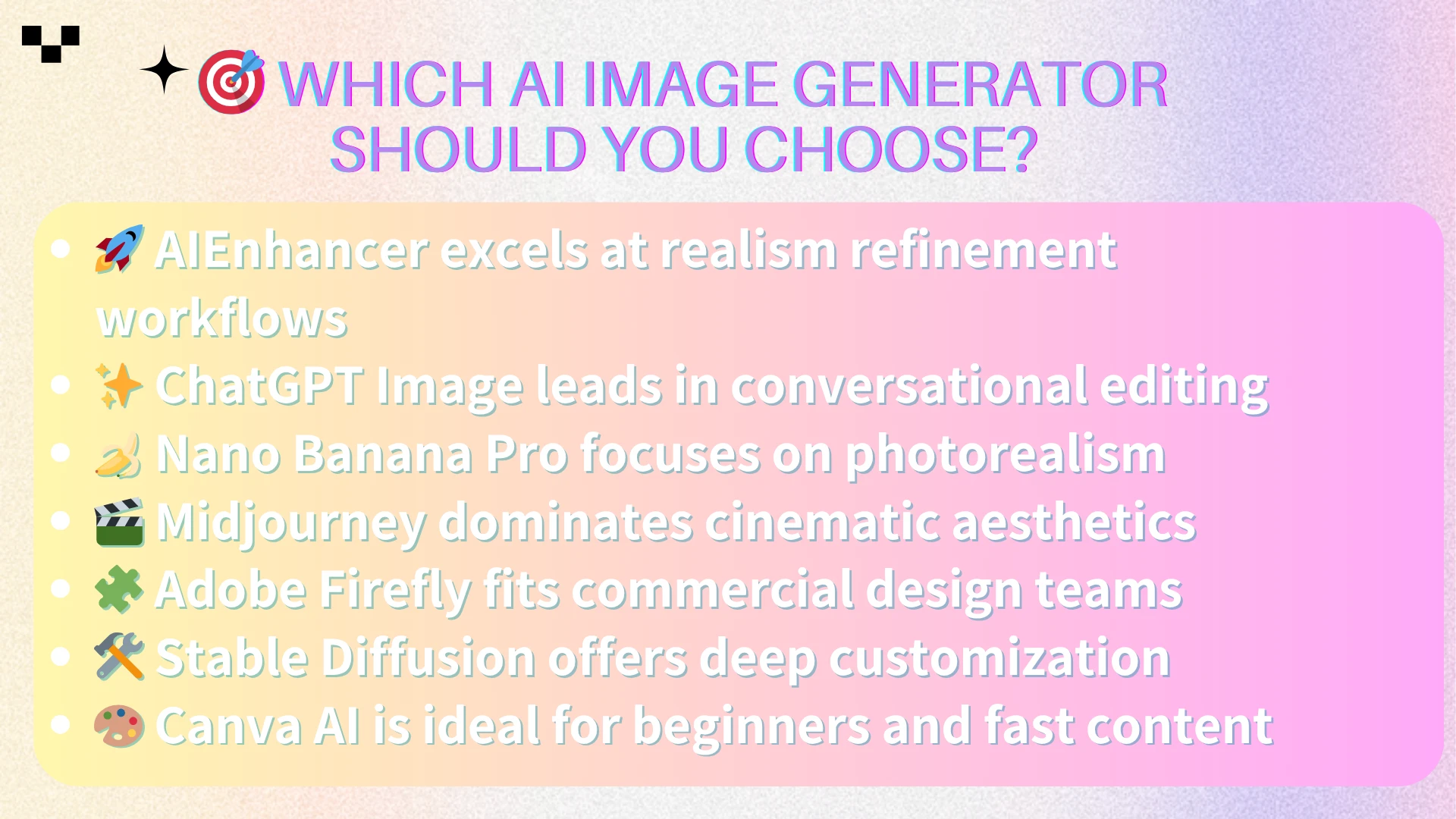
🎯 Which AI Image Generator Should You Choose?
The best AI image generator in 2026 depends less on image quality alone and more on how you actually create.
If your workflow revolves around cinematic concept art, fantasy environments, and visually stylized storytelling, Midjourney still offers some of the strongest artistic direction available today.
For creators focused on realistic advertising visuals, believable portraits, strong prompt understanding, and conversational editing, ChatGPT Image and Nano Banana Pro currently lead much of the market.
Meanwhile, creators who spend significant time refining, enhancing, correcting, and polishing AI outputs may find platforms like AIEnhancer more practical in long-term workflows — especially when realism recovery becomes part of the creative process itself.
Adobe Firefly remains highly attractive for professional commercial teams already integrated into the Adobe ecosystem, while Stable Diffusion continues to appeal to advanced users who prioritize deep customization over simplicity.
And for beginners or fast-moving social content creators, Canva AI remains one of the easiest platforms to adopt quickly.
Increasingly, the strongest workflow is not choosing one AI image generator.
It’s combining multiple tools intelligently.
🌟 Why AIEnhancer Stands Out
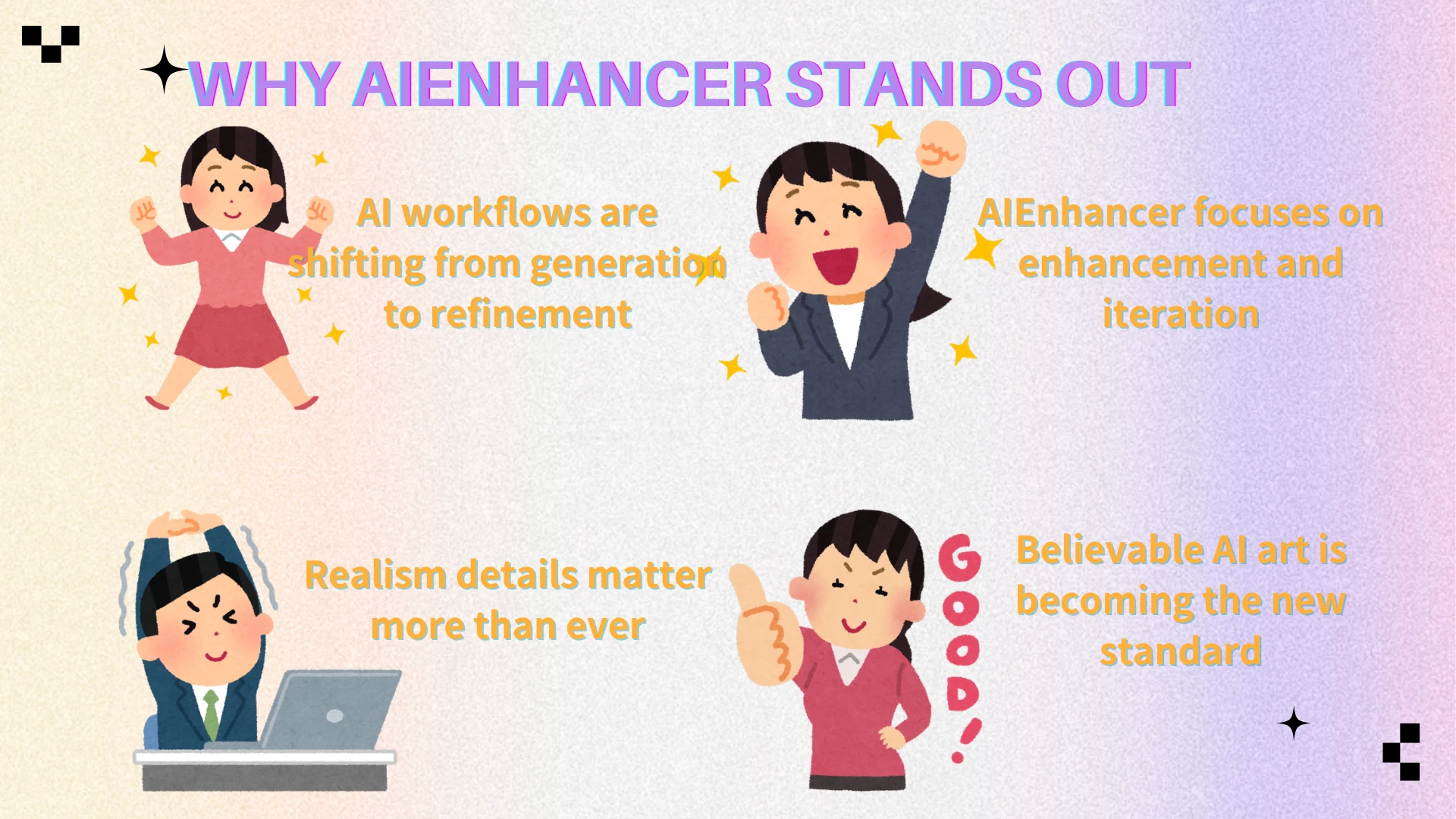
One of the biggest shifts happening in AI image generation is that creators are spending less time chasing “perfect prompts” and more time refining outputs afterward.
That changes the role of AI creative platforms entirely.
The future of AI art isn't just about generation—it's about seamless iteration.
This is where AIEnhancer stands out particularly well in 2026.
Instead of positioning itself purely as an AI image generator, it functions more like a realism-focused enhancement ecosystem. Generation, editing, upscaling, facial refinement, restoration, and realism correction all exist within the same workflow.
As AI-generated images become increasingly common online, subtle realism details matter more than ever:
believable skin texture
cinematic lighting depth
natural imperfections
realistic sharpness
emotional authenticity
Ironically, achieving true realism in AI art may rely less on generating flawlessly clean images, and more on embracing the natural imperfections of traditional photography.
That is exactly the direction platforms like AIEnhancer are moving toward.
❓FAQ
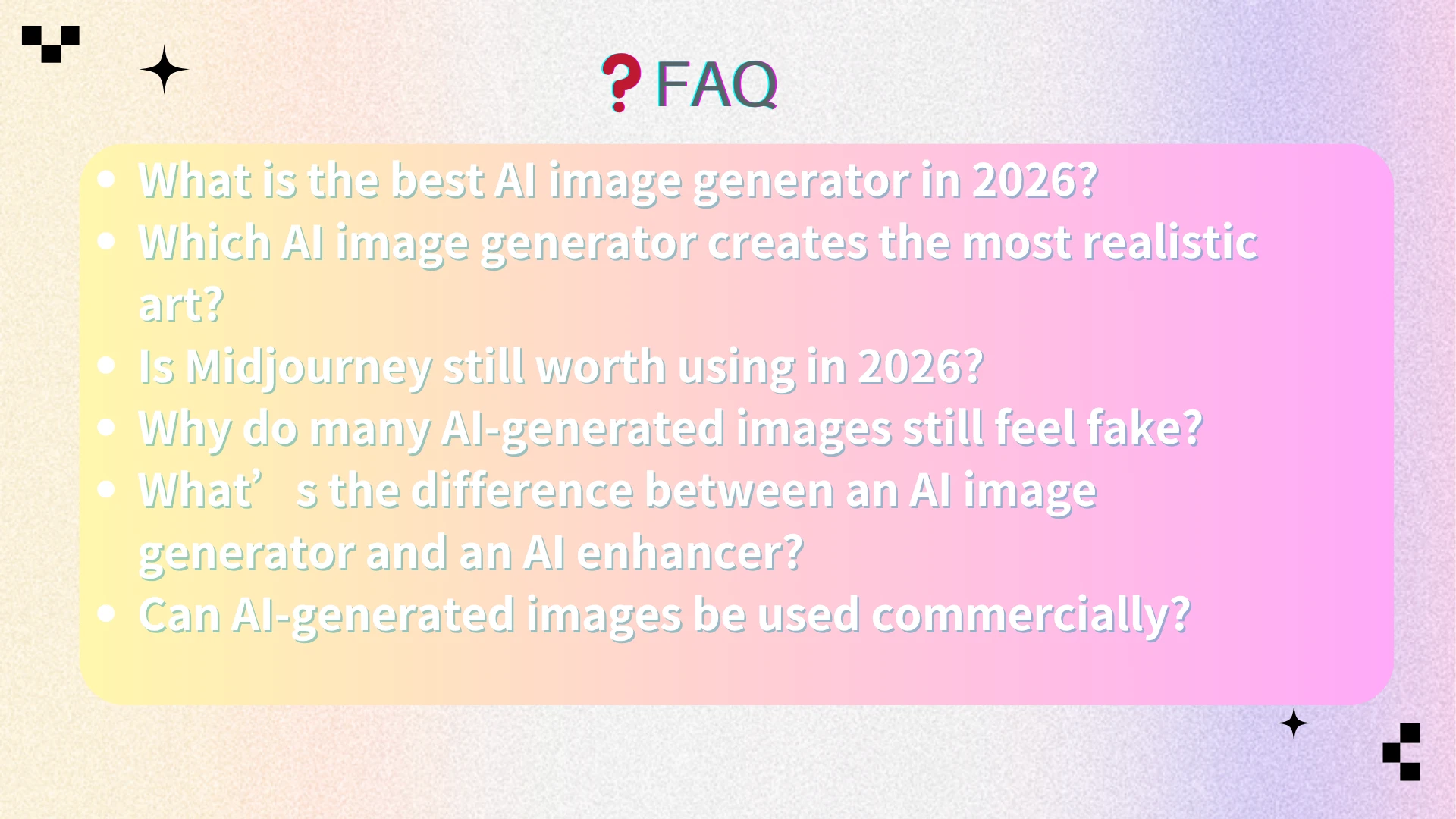
What is the best AI image generator in 2026?
There is no single perfect choice for every creator, but ChatGPT Image, Nano Banana Pro, Midjourney, and AIEnhancer are currently among the strongest platforms depending on workflow needs.
Which AI image generator creates the most realistic art?
Nano Banana Pro currently produces some of the strongest photorealistic results, while AIEnhancer performs especially well for realism refinement and enhancement workflows.
Is Midjourney still worth using in 2026?
Absolutely. Midjourney remains one of the best platforms for cinematic aesthetics, fantasy visuals, and highly stylized artistic imagery.
Why do many AI-generated images still feel fake?
Most realism problems come from overly perfect textures, unnatural lighting behavior, and emotionally flat facial rendering rather than low resolution alone.
What’s the difference between an AI image generator and an AI enhancer?
An AI image generator creates new visuals from prompts. An AI enhancer improves existing outputs by refining details, realism, lighting, texture, and resolution.
Can AI-generated images be used commercially?
It depends on the platform’s licensing rules. Adobe Firefly focuses heavily on commercially safer workflows, while other platforms may have different usage policies.
🚀 Conclusion
AI image generation in 2026 is no longer just about creating visually impressive pictures.
It’s about building believable creative workflows.
The strongest platforms today are not necessarily the ones producing the most dramatic demo images. They are the ones helping creators move naturally from idea to finished visual content with minimal friction.
ChatGPT Image excels at conversational creativity.
Nano Banana Pro pushes photorealistic rendering to remarkable levels.
Midjourney continues to dominate cinematic artistic direction.
Stable Diffusion remains unmatched for deep customization.
And AIEnhancer stands out by focusing on something increasingly important in modern AI workflows: realism refinement after generation.
As AI-generated visuals become more common online, the next competitive frontier will not simply be image quality.
It will be believability.